Market foundations
Candles without folklore
Open, high, low, and close. What those four numbers can prove.
Lesson 3 of 4 • 14 min
Worked example
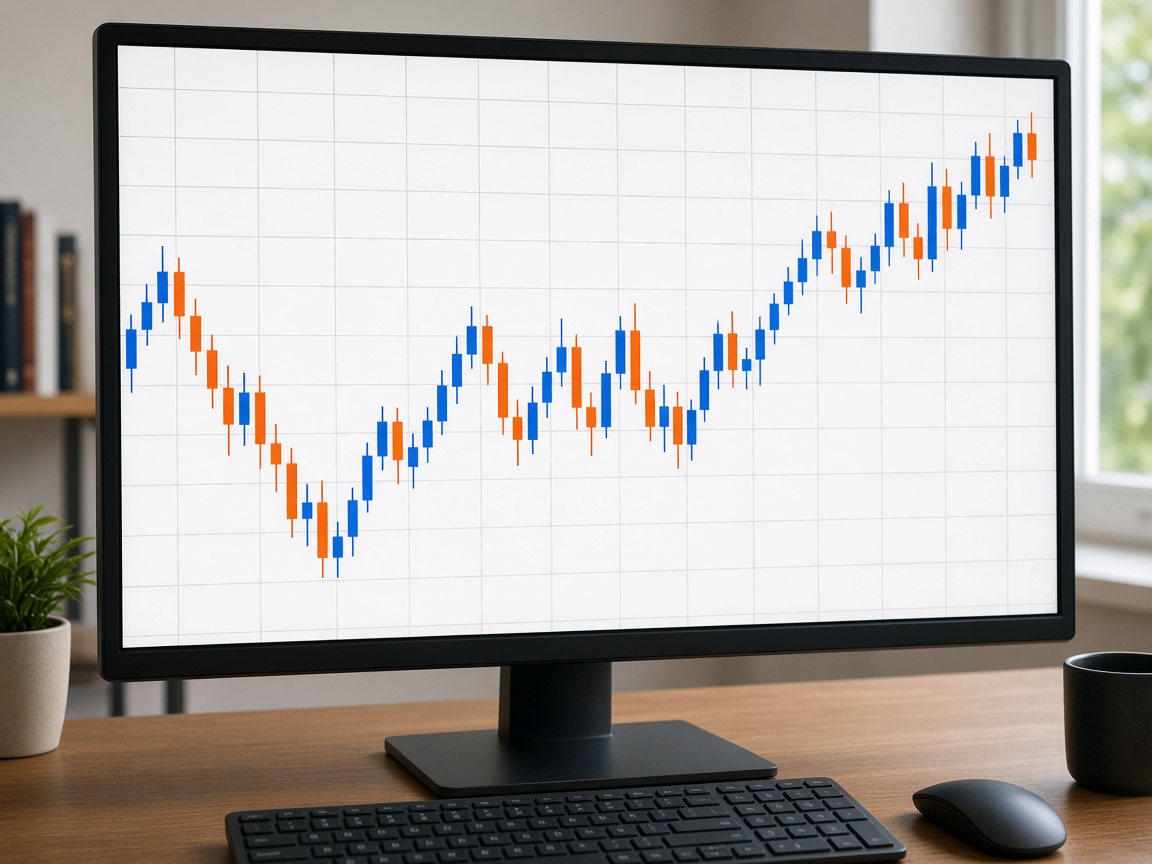
Study material only. It is not a signal to buy or sell. AcademyTrade is education. It is not a broker, not investment advice, and not a promise that you will make money. Trading can lose the money you deposit.
A candlestick compresses a slice of time into four numbers: the open, the high, the low, and the close. The body is the distance from open to close. The wicks are the trips beyond that body, up to the high and down to the low.
If the close is above the open, buyers finished the slice ahead of where it started. If the close is below the open, sellers finished ahead. That is all the color means. A candle does not know why the orders arrived.
The wick is a rejected trip. A long upper wick says price traded higher and then closed back down. It does not say the high will hold tomorrow. It says that, inside this slice, the higher prices did not stick by the close.
- Name the four numbers before you name a pattern.
- A candle's meaning changes with its timeframe. A one-minute candle and a daily candle are different meetings.
- Patterns are descriptions of the past. They are not instructions.
Use candles to see where price spent the slice. Leave the folklore for later, and only if you can test it.